


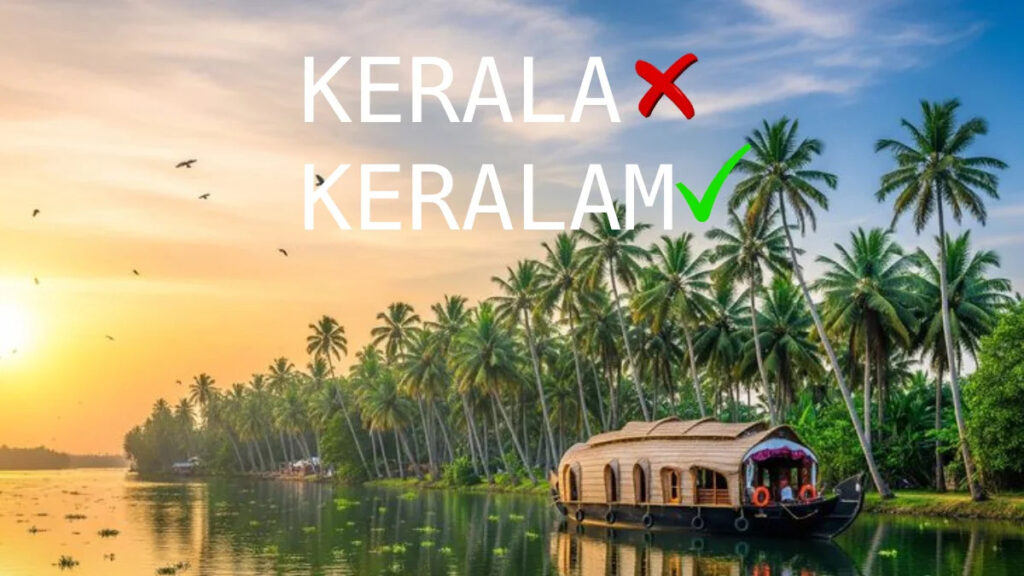
Kerala is the bearer of stories as backwaters, monsoon rains, and cultural rhythms and the image that has been created is one in which tradition and modernity are isotopic to each other. In the towns and villages, all over full of life, there is a silent harmony of the old with the new. Over the past few years, the debate surrounding city renaming has created an inquisitive drive among the residents and travellers in general, beginning to discuss the issue of identity, language, and history. These are not just administrative moves but part of cultural pride and need to re-establish something with the language.
The Meaning Behind Renamed Cities
When it is exposed to them on why some cities have regained their original names, travellers tend to find deeper meaning to the places that they have been visiting all along. Rebranding Kerala to Keralam also often revives the sound that under colonialism was changed which would help the local language to get back to its natural flow. Through this, cultural confidence is enhanced, particularly among the youths, and it makes the visitors to the region appreciate the past of the region in a very simple yet meaningful manner. Gradually Cochin came to adopt its historic name of Kochi, Trivandrum became Thiruvananthapuram and Calicut was restored to Kozhikode.
Landscapes That Feel Like Poetry
In addition to its names, Kerala is carried out in landscapes that are both film-like and personal. The backwaters are serene, and the coconut palms and floating clouds are reflected in it, and the hill stations provide foggy mornings and walking paths. In the coastline, there are beaches where slow sunsets and conversing flows flow through the sound of waves. Kochi is a mixture of colonial buildings and modern gallery spaces and bustling harbour life and provides the air with the fusion of the past and creativity.
Flavours at the Heart of Every Journey
Another aspect that people will always remember about visiting a particular place is food, and kitchens in towns make the atmosphere full of the scent of spices. Rice, curries, pickles, and desserts are served on banana leaves to unite the traditional meals in the style that is both celebratory and comforting. Freshness of the surrounding rivers and the Arabian Sea is represented in seafood, and such dishes as appam, stew, sadya, and spicy fish curries reflect local cooking of Kerala. Street snacks are available as quick bursts of flavour and small tea shops are turned into social places, where daily news, cinema and politics are discussed.
Tourism, Identity, and Digital Visibility
Renaming Kerala has also affected the way destinations are branded to the world. Reflective maps, signboards and travel sites assist the visitors in navigating easier as they learn the stories behind each name. Branding Kerala is implemented by businesses to embody linguistic reality and digital storytelling (blogs, videos, and social media) disseminates information about cultural sense. This exposure benefits the local businessmen, teaches them to be responsible in the tourism industry and makes the smaller communities be known.
Living Heritage and Cultural Experiences
Cultural experiences give life to any trip enabling the visitors to experience other cultures than sightseeing. Classical dance performances and theatre shows can tell the stories of epics with the help of expressive movements and music, whereas houseboat holidays give an opportunity to travel slowly along the calm villages of the backwaters. Nature lovers, and wellness retreats based on traditional healing are bird sanctuaries, which combine body and environment through relaxation. The local markets in Kerala are full of spices, textiles and handcrafts that support the artisans and maintain the traditions which are transferred in generations.
Seasons, Sustainability, and the Road Ahead
The seasons influence the travelling experience in some extraordinary ways; as in the monsoon months the scenery is colored in deep green and dramatic skies, whereas winter seasons bring the weather good lovely to do long journeys. Travel has been made easier by the upgrading of infrastructure and online travel booklets, and the policies promoting green transit and more efficient waste disposal. The campaigns on responsible tourism emphasize the importance of respecting nature and culture as it reminds visitors that nature is a collective effort of preservation.
An Identity That Continues to Evolve
Finally, it is a matter of memories, feelings, hopes and Kerala proves that identity can be changed without losing its eternalism. This is because travellers walk away with tales that are made by topography, cuisines and personalities and they find continuity under shifting signboards and maps. The area is very friendly and inviting, and one is welcome to see how history is living in the normal routine. The future visitors will receive the heritage pride and the contemporary comfort, which will guarantee that the spirit of the land will remain a source of inspiration even after the journey is over.
Check more out more travel blogs: Ureadit.com