


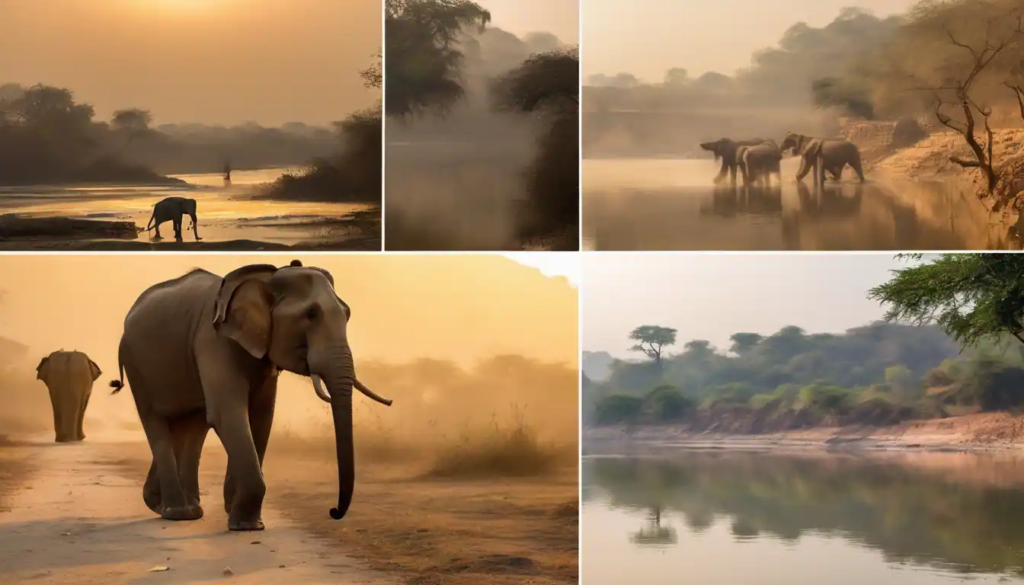
A five-day wildlife trip sounds simple, but the park choice changes everything. One park gives you dense forest, river edges, and many bird frames. The other gives you open tracks, old ruins, and stronger tiger odds. That difference matters when your budget stops at ₹50,000. It matters even more in November, when light turns softer and travel feels easier. This guide helps you compare corbett and ranthambore for a 5 day wildlife photography trip in november on a 50k budget without guesswork. You will see how both parks differ in sightings, terrain, safari flow, and total cost. Also, you will get a practical view of travel time, crowd levels, and gear needs. By the end, picking the better park for your camera style feels much less messy.
Why November Is Ideal for Wildlife Photography
November brings clean weather, greener scenery, and easier shooting conditions in both parks. The rains make it fresh and the animals remain active during a longer time in the day.
Post-Monsoon Landscapes
The earth remains alive and fertile after the monsoon. Grasslands are more full, riverbanks are cleaner and the entire scene is more colored. For photography, that means the background works harder for you, not against you.
Cooler Weather and Better Animal Activity
Cooler air helps both photographers and wildlife. Animals move more in pleasant temperatures, especially during morning and evening safari windows. That gives you more chances to track behavior, not just quick drive-by sightings.
Clear Light for Photography
November light is one of the real wins here. The sky tends to be more transparent, thus your shots appear brighter and purer. Shadows also remain softer during the early hours, contributing to the detail of fur, feathers, and background.
Corbett vs Ranthambore at a Glance
Corbett is older, greener, and more layered in how it looks. In a single journey you have forests, grasslands and stretches of rivers. That makes it feel wild in a more tacit manner. The area provides strong support for three animal species which include birds, deer and elephants.
Ranthambore provides visitors with its expansive landscape which reveals dramatic natural beauty. Its dry woodland, lakes, and old ruins create bold backgrounds that photographers love. It is especially known for better tiger visibility, which makes it popular with people chasing big-cat frames first.
Wildlife Sightings: Which Park Is Better?
The better park depends on what you want in your memory cards. If your dream frame is a tiger in clean view, the answer shifts fast.
-
Tiger Sighting Chances
Ranthambore usually gives clearer tiger opportunities. The land is more open, so once a tiger appears, you often get cleaner sight lines. Corbett has tigers too, however thick cover can hide movement and shorten your viewing time.
-
Birding and Wildlife Diversity
Corbett feels broader in wildlife variety. You might not attain the same simple tiger sight, but you will attain birds, elephants, deer, and numerous habitat-motivated frames. To photographers who like to change subjects, it can be gold.
Best Choice for Wildlife Photography Goals
Go to Ranthambore at the risk of your journey making or breaking on tiger shots. Pick Corbett, and get birds, stratified landscape, and more variable themes. It really comes down to whether you want a specialist trip or a mixed portfolio.
Terrain and Photography Conditions
Terrain shapes every frame you take. It determines the distance you can view, speed of response and the mood of the images you have.
Corbett’s Forests, Grasslands, and Riverbanks: Corbett can feel magical, but also tricky. Tall trees and thick growth make some scenes look lush and cinematic. At the same time, visibility drops fast in dense sections. Great for moody forest images, yes, but not always easy for long, clean subject tracking.
Ranthambore’s Open Zones, Lakes, and Ruins: Ranthambore gives you space. Open zones, lake edges, and broken stone structures add shape and depth to frames. For example, a tiger crossing with ruins behind it tells a fuller visual story in one click.
Which Landscape Works Better for Framing
For strong, graphic, easy-to-read compositions, Ranthambore often wins. Corbett gives richer atmosphere, however the frame can get busy. So, if you like clear subject separation, Ranthambore is kind of easier to work with.
Safari Experience and Zone Strategy
Safari structure matters more than most first-time visitors expect. The correct location, car, and a booking time can transform the entire five days outcome.
Corbett Safaris
Dhikala gives a strong wildlife feeling. Bijrani, and Jhirna which serve as essential visiting points. Nevertheless, zone access and planning should be given greater attention, as in time-constrained decisions, you can find yourself in a bad place.
Ranthambore Safaris
Ranthambore passes through zones 1-10, zone 1-5 usually considered as more solid picks. For photographers, that makes trip planning feel clearer. You can build your safari strategy around higher-interest areas more easily.
Jeep vs Canter for Photography
A jeep usually feels better for photography. It gives more flexibility, cleaner angles, and less crowding in your shooting space. Canters work too, but they can feel less personal and a bit limiting when action happens fast.
Booking Reliability and Zone Allocation
Ranthambore feels more predictable for planned photography trips. Corbett can reward you deeply, however booking uncertainty and zone allocation can add stress.
Can it be done under ₹50,000?
Travel Costs
From Delhi, Corbett usually comes out cheaper on travel. The cost of rail or bus is less and the method used is less complicated. The travel to Ranthambore to Sawai Madhopur still can remain reasonable, yet it is inclined to go higher.
Stay and Food Costs
You can spend a night in Corbett in the moderate price range of about ₹10,000 within four days. In Ranthambore, you could even have to pay up to ₹12,000. Miscellaneous expenses and food in either place will remain within ₹6,000 as long as you stick to reasonableness.
Accessibility and Crowd Factor
Ease of travel and crowd pressure shape your energy on the trip. You get tired of long queues and congested areas before the camera is even drawn up.
Many travelers in Delhi find Corbett more convenient. Ramnagar is the key rail point, and the journey is shorter. Reduced transit time translates to increased rest and concentration to early safari starts.
Sawai Madhopur is the best way to Ranthambore National Park. The connection is still straightforward, however the trip is usually longer. It is manageable, just not quite as quick or relaxed as Corbett.
Convenience is very high on your list, and Corbett outdoes him. Less travelling will result in reduced fatigue and increased flexibility on the first day. That matters, especially on a five-day plan where every safari counts.
Corbett generally feels less crowded in comparison. Its spread-out zones help movement feel smoother. However, in the case of Ranthambore, there is an added advantage of convenience due to many tourists flocking to the same high-priority sites.
Camera Gear and 5-Day Itinerary
The correct equipment will save shots and a well-organized itinerary will save time. You do not require a truckload of equipment but you need the basics sorted.
- Essential Camera Gear for Both Parks: Visitors to both parks need to bring telephoto lenses which cover the range of 300 to 600 millimeters. The package must include extra batteries and memory cards along with dust protection equipment. A bean bag also helps a lot inside safari vehicles, especially when you need steadier long-lens support.
- Sample 5-Day Corbett Itinerary: Use day one for arrival and rest. Keep days two to four for safari drives, with one strong focus on Dhikala and one session for birds and habitat frames. Day five works best for checkout and return travel.
- Sample 5-Day Ranthambore Itinerary: Arrive on day one and settle early. Use days two and three for core safari work in stronger zones, then keep day four for another drive plus scenic framing around the fort and lake areas. Leave on day five.
Pros & Cons
No park is ideal and that is no bad thing. The trick is to select the flaws you can afford and strengths you really require.
Corbett: Pros
Corbett is typically cheaper and has a larger wildlife variety, whereas it is less natural in its atmosphere. It is applicable to photographers who like atmosphere, birds and dynamic sceneries.
Corbett: Cons
Tiger sightings can feel less reliable. Thick vegetation can also block clean views right when the moment gets exciting.
Ranthambore: Pros
Ranthambore offers stronger tiger chances and cleaner compositions. It also gives striking backgrounds that make wildlife images feel bold and story-driven.
Ranthambore: Cons
It can cost more, and it can feel busier. For some photographers, that crowd pressure takes away part of the wild mood.
Conclusion
Comparison of corbett vs ranthambore when considering 5 day wildlife photography trip in November with a budget of 50k will give you the smarter choice depending on your shooting objective. Corbett is cheaper, simpler, and more diverse. Ranthambore feels stronger for tiger-first photographers who want open, readable frames. Well, that is really the split. If you want one hero tiger image, lean Ranthambore. If you want a wider wildlife story, lean Corbett. Ranthambore suits Tiger-Themed Photographers. It provides you with a better opportunity of spotting tigers and making more beautiful images of the big cats cleaner and more powerful. Corbett is most suited to a More Diverse Wildlife Experience. You get a wider mix of species, richer habitat variety, and more kinds of frames across one compact five-day trip.